Why Does Rejection Hurt?
Have you ever felt rejected by a friend, family member, supervisor, or romantic partner? It can be a universally painful experience. It stings. As humans, we are prosocial – we look for the approval and affirmation of others to guide our actions and to develop a sense of self and self-worth. Normally, growth and development depend on both affirmation and critical feedback to facilitate an evolving capacity in every area of life. For those of us with rejection sensitivity, it can be hard to emotionally accept this process as normal, rather than as an indicator of failure.
What is Rejection Sensitivity?
Rejection sensitivity can lead us to interpret or distort even gentle criticism as an overall rejection or serious judgment. Instead of viewing that feedback as a natural consequence of differing perspectives, ideas, or as part of a normal process of working something out, it lands as something more personal and severe. In fact, even a routine difference of opinion can feel like the sting of a full-out rejection.
How Does Rejection Sensitivity Come to Be?
Rejection sensitivity is an experience or vulnerability that can derive from multiple origins. It may stem from childhood experiences, like bullying or social exclusion. We often find it can also be linked to our own orientations toward perfectionism or achievement. Living in a highly evaluative or critical environment can also fuel this fear of rejection. Additionally, people from marginalized or stigmatized groups may also have their sensitivity reinforced in the face of external invalidation.
Woven within all of these levels of influence emerge underlying fears about how others perceive us. This worry can lead to overcompensating and working too hard academically or professionally. We may operate with a fear of making mistakes, failure, or abandonment. This concern can drive anxiety and make us want to shield ourselves due to fear of further pain.
How Might We Explore Rejection Sensitivity From A Lens of Neurodivergence?
Rejection sensitivity can be a deeply impactful, and sometimes frankly overlooked, aspect of mental health. Rejection Sensitive Dysphoria (RSD) is an official diagnosis related to this overwhelming emotional pain triggered by the perception of rejection, criticism, or failure. This widely recognized emotional response is frequently seen in people who are neurodivergent; however, it can affect all kinds of people. Neurodivergence is an umbrella term, and it explores how we uniquely perceive and interact with the world, and specifically emphasizes people whose brains may process information, learn, or behave differently than those considered “neurotypical.” Within the blend of neurodiversity, individuals with Attention-Deficit/Hyperactivity Disorder (ADHD), Autism Spectrum Disorders (ASD) as well as Social Anxiety, Depression, and Borderline Personality Disorder (BPD) show a higher tendency to experience rejection sensitivity.
Think you might be navigating Rejection Sensitive Dysphoria? There are a variety of helpful resources, including books and self-tests, to determine if some of your experiences might match those of RSD. A few trusted resources include these 10-15 question quizzes from both ADDept and ADDitude Magazine. A reminder that these brief evaluations are educational and are not a replacement for personalized therapy or full ADHD assessments. We hope these resources may be helpful starting points for your understanding and journey.
How Might Rejection Sensitivity Affect My Life?
The experience of rejection can be painful, especially for those of us who are used to achieving our goals and setting high standards for ourselves. Whether it comes from a job or college application, a relationship, or a personal ambition, a perception of rejection can trigger feelings of inadequacy, shame, self-doubt, and even anger toward ourselves. Sometimes, to avoid this pain, we may redirect our anger outward, feeling that we’ve been treated unjustly, which can lead to feelings of vengeance, jealousy, or hopelessness.
However, it’s crucial to remember that rejection in whatever form does not define our worth. It’s a universal experience that everyone encounters. For those of us with heightened rejection sensitivity, the trouble often isn’t rejection itself, but what we make it mean. A piece of feedback on a project, a friend who cancels plans, a difference of opinion in a meeting are ordinary parts of being in relationship with other people, rather than a confirmation that we’re inadequate or have done something wrong.
When we notice ourselves spiraling into thoughts like “they’re upset with me” or “I’ve failed,” we can pause and ask: is this really rejection, or is it disagreement, feedback, or simply someone else having a different perspective? If we approach these experiences with gentleness and self-compassion, we can separate the discomfort of the moment from any judgment about our overall worth, allowing us to move through these emotions in a way that feels healthier and more grounded.
How Do I Manage Rejection Sensitivity?
At Connections Health, we’re here to help you navigate life’s challenges like these with compassion and resilience. Our clinicians work with you to develop strategies for managing rejection and disappointment, empowering you to approach these experiences with openness, acceptance, and a sense of agency in shaping your future. Remember, it’s not about avoiding setbacks or the challenging feelings that emerge in facing them – it’s about how we respond to them that truly matters. Together, we can help you build the skills and confidence to move forward with strength and optimism.
If you’re looking for additional support for rejection sensitivity, reach out to Connections Health to learn more about our personalized therapy services, group offerings, and additional wellness programming. We will soon be offering ADHD assessments for adults, to help offer clarity and direction in your mental health journey. Our therapeutic, assessment, and group support is all rooted in neurodivergence-affirming care.
As always, we welcome your thoughts and insights. Have any feedback on this topic, or an idea for a blog, workshop, or program? We’d love to hear from you!
Related Articles
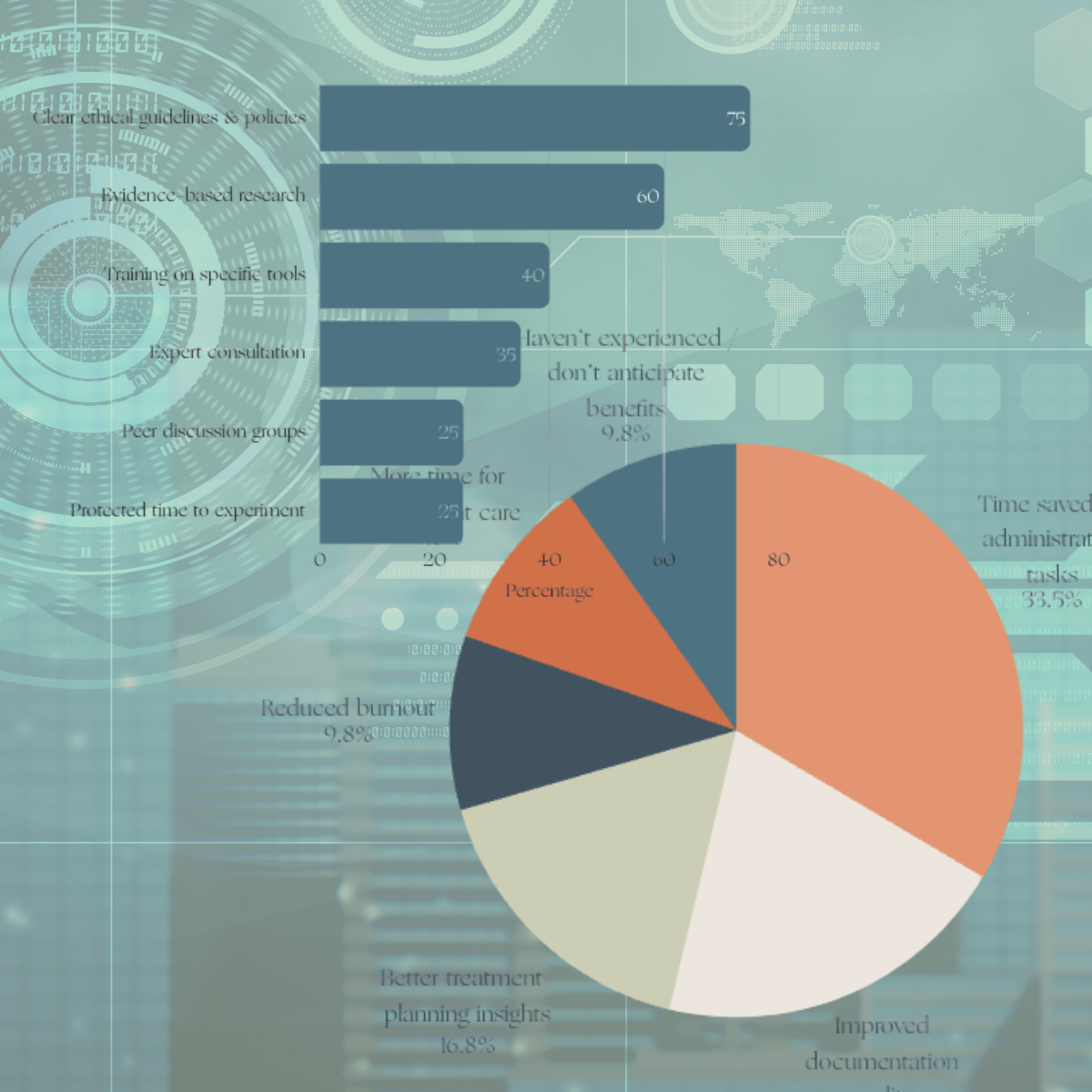
Setting The Stage: Earlier this year, Connections Health Clinical Director Claudia Rosen, LCSW, delivered a spark talk at a symposium focused on digital technology and socioemotional wellbeing at the Northwestern University School of Education and Social Policy. Both in preparing for that presentation and in the months since, we have been increasingly interested in this [...]

Last month, we had the opportunity to partner with a local organization, Paws For Patrick for an event for therapists centered on integrating emotional support animals (ESAs) into mental health practice. Daniel Maigler, LCSW, and Craig Scalise, PhD, delivered an incredibly informative and engaging presentation, and we’d love to share a bit about what we [...]
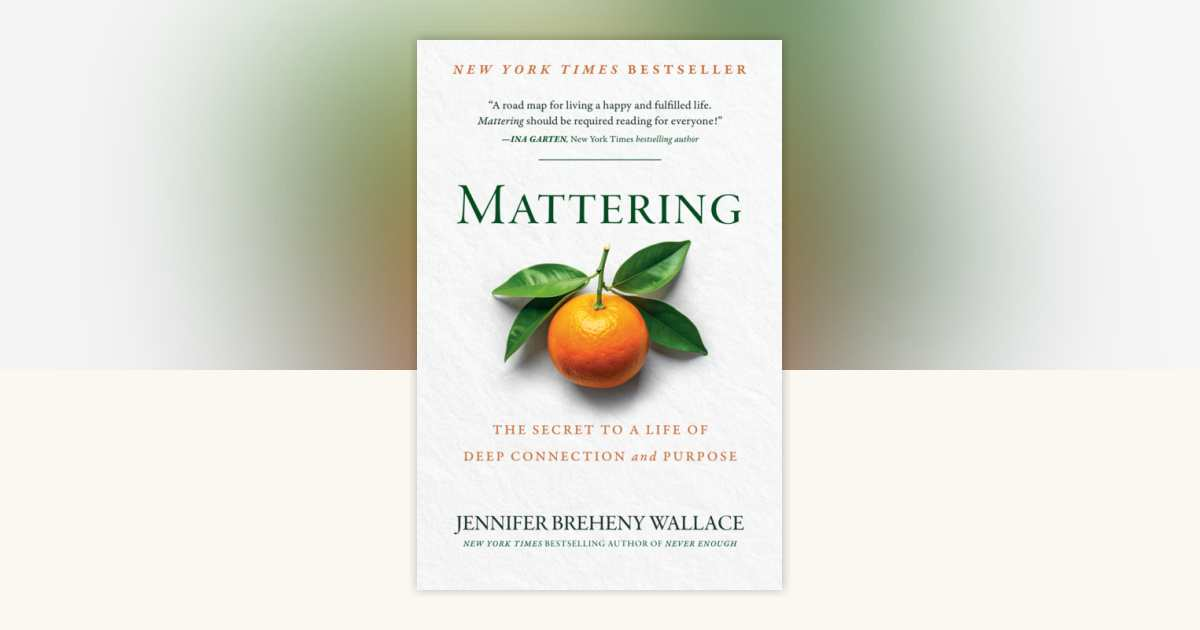
Have You Ever Heard of ‘Mattering’? Many of us may belong to book clubs or simply enjoy reading alongside others and swapping recommendations. Recently, we had the opportunity to read a newly published book by Jennifer Breheny Wallace titled “Mattering: The Secret to a Life of Deep Connection and Purpose.” This book offers a compelling [...]