
Setting The Stage:
Earlier this year, Connections Health Clinical Director Claudia Rosen, LCSW, delivered a spark talk at a symposium focused on digital technology and socioemotional wellbeing at the Northwestern University School of Education and Social Policy. Both in preparing for that presentation and in the months since, we have been increasingly interested in this topic and its burgeoning centrality not only to our field, but also to the culture at large.
Conversations about technology’s place in mental health practice have been both prominent and ever-evolving. The pandemic-driven rise of virtual care highlighted what technology could offer: expanded accessibility, narrower treatment gaps, and reduced stigma. Now, with the rapid emergence of AI, those conversations have taken on new urgency, raising pressing questions about topics such as confidentiality, patient autonomy, and the human connection on which growth and healing so often depends. We face choices about how we engage with and manage these new tools.
Inspired by these questions, we surveyed our professional colleagues about their perspectives at this crucial moment. We are grateful to the clinicians who contributed their thoughts on artificial intelligence and digital technology in the context of their mental health practice.
The Impact of Technology on Clients: AI Chatbots & More
First, we explored digital technology’s broader influence on our clients’ mental health. In our survey, sentiment toward technology’s overall impact on clients was mixed but leaned negative. Every respondent named social media as the category of technology with the most harmful effect, while wellness and messaging apps were rated the most beneficial. This difference points to something important: a measure like “time spent on technology” tells us less than what that technology is being used for, and how. For example, for us as providers, an important clinical question may shift from “how much screen time?” toward something more like: “when you’re distressed, where do you go first: inside yourself, to another person, or to a screen?”
And, we explored how often clients might bring their concerns to an AI chatbot. These tools can simulate the connection someone might otherwise seek from another person, without the friction that comes with navigating a human relationship. AI chatbots are generally designed to maximize user engagement, which creates a structural pull toward responses that feel validating, even in moments where more feedback with curiosity and perspective-building would be clinically useful. We believe it can be valuable to ask clients about their AI use openly and without judgment, since shame and ambivalence can keep clients from bringing it up on their own. The same goes for our conversations with fellow mental health colleagues. This creates room for honest exploration, and it also asks us to examine our own perspectives and feelings about AI and technology as a whole.
AI Adoption and Evaluation in Clinical Practice:
In addition to the impacts emerging technologies have on our clients, artificial intelligence may also be changing the way we provide care, document sessions and treatment plans, handle administrative tasks, and generate content. Over half of our survey respondents were using AI in their work. Some said these tools reduced their administrative burden, allowing them to spend less time on clinical notes, treatment plans, or scheduling. With less time spent on paperwork, therapists can redirect their energy toward session preparation, continuing education, or simply being more present and less depleted both in and outside of sessions.
AI tools may lighten our load as clinicians. However, that convenience is bundled with questions about privacy, safety, long-term efficacy, and human agency. In deciding whether to use an AI tool, another question is to wonder what it’s actually being asked to do. Is it providing administrative support, or something closer to clinical judgment? AI has the potential to guide and contribute to treatment planning by allowing us as clinicians to reference best practice guidelines and to improve standards of care, while we supply the judgment and decision-making needed to apply those best-practice principles to an individual client.
What Comes Next?
Technology is changing rapidly, and so are the questions it raises. It’s an interesting time to be a clinician as we continue to sort out how we will use and not use technology and AI. Practitioners in our network are already grappling with this shift. As one respondent shared in our survey: “I don’t think AI will replace the relational piece in mental health, however what the client brings to the session may be different.”
Our clients may be using AI to complete their homework, to navigate a difficult relationship, or find emotional support in the middle of the night. That reality asks something of us: to stay informed, to meet clients where they are, and to be curious and adaptive.
At Connections, we want to ensure our approach to technology, including artificial intelligence, stays evidence-informed and honest about all that we don’t yet know. What won’t change is the foundation of our work: the powerful relationship between clinician and client. As new tools emerge, our task is to make sure they serve that connection rather than replace it.
For a closer look at our key findings, you can view the full infographic of our survey results.
We look forward to continuing this conversation with our colleagues, our clients, and our community.
Related Articles

Last month, we had the opportunity to partner with a local organization, Paws For Patrick for an event for therapists centered on integrating emotional support animals (ESAs) into mental health practice. Daniel Maigler, LCSW, and Craig Scalise, PhD, delivered an incredibly informative and engaging presentation, and we’d love to share a bit about what we [...]

Why Does Rejection Hurt? Have you ever felt rejected by a friend, family member, supervisor, or romantic partner? It can be a universally painful experience. It stings. As humans, we are prosocial – we look for the approval and affirmation of others to guide our actions and to develop a sense of self and self-worth. [...]
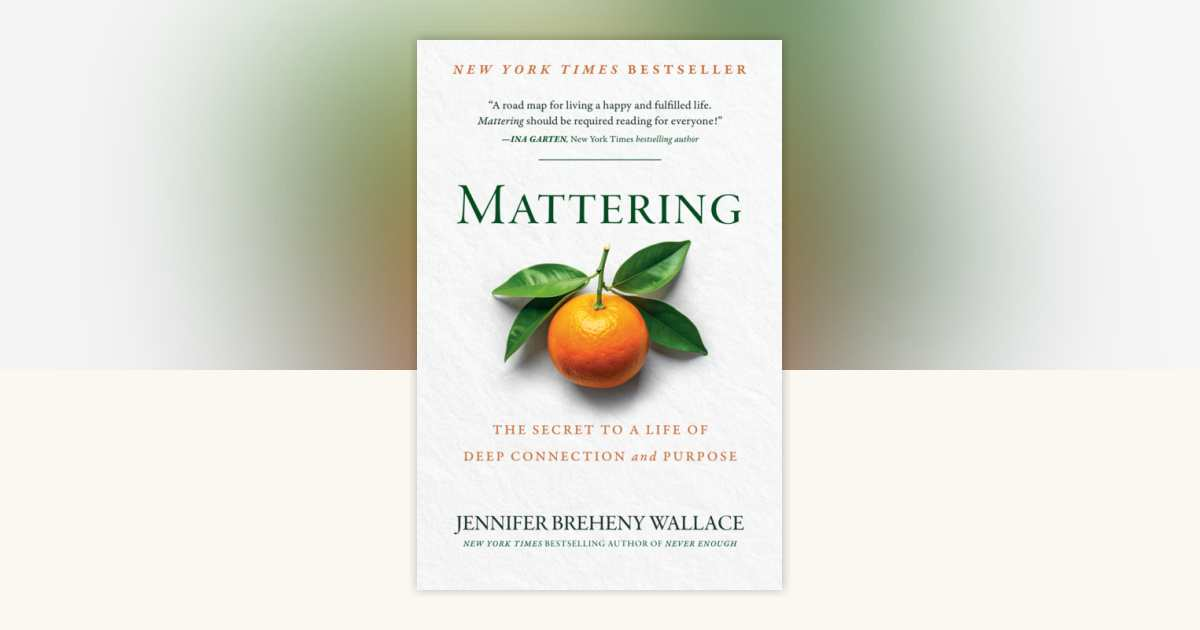
Have You Ever Heard of ‘Mattering’? Many of us may belong to book clubs or simply enjoy reading alongside others and swapping recommendations. Recently, we had the opportunity to read a newly published book by Jennifer Breheny Wallace titled “Mattering: The Secret to a Life of Deep Connection and Purpose.” This book offers a compelling [...]