As the days grow longer and sunlight returns, many people feel a renewed sense of energy, optimism, and motivation. With the arrival of Spring and nature coming back to life, it’s natural for us to start thinking about fresh starts, future plans, and new possibilities.
At the same time, this change in weather can also heighten our awareness of our bodies, especially as we spend more time outdoors. Let’s take a closer look at how Spring might surface a high level of body image concern and comparison – and consider ways to support and care for ourselves during this season.
Body Image in Warmer Weather:
Even if it may not yet “feel” like Spring yet, small signs remind us the season is underway: the blooming tulips, the end of Spring Break, a new semester, or a planned getaway. For those of us in the Midwest, sandals and even short-sleeves are often donned the minute the temperature goes above 50 degrees.
However, as there are more opportunities to shed layers, wear a swimsuit, or reach for a new Spring outfit, self-critical thoughts can start to creep in. We might find ourselves comparing our bodies to others or feeling tempted to skip a vacation or social gathering because of discomfort or shame around our appearance.
Defining Body Image & Its Influences:
To understand why these thoughts can feel so powerful, it helps to pause and consider what body image actually is – and how it is formed. Body image is an inner picture of how we see ourselves. It is defined by feelings and judgments we may have about our own appearance, our perceptions around how others experience, compare, or judge our body; and the relationship or quality of the connection we have with our body.
Our body image does not develop in a vacuum. It is shaped within the broader systems and social contexts we inhabit. Because it is deeply intertwined with our identity, the way we perceive our bodies can influence our self-concept, the roles we feel comfortable stepping into, and even our sense of belonging. Our embodied experiences come from not only personal perception, but also through cultural messages that can promote narrow ideals of size, shape, skin tone, and ability – subtly suggesting which bodies are most valued and which are allowed to take up space.
Social-Comparison:
From a young age, we also start to compare ourselves to others. This natural developmental process serves as a tool for self-evaluation, where we assess others’ attributes, ideas, or abilities in the context of our own. These social comparisons affect how we think about our physical appearance, too, where we evaluate our bodies and self-worth in relation to peers, families, societal norms, and media standards. Peer pressure and conformity can influence us to want to fulfill idealized body standards prevalent in our social circles or in the media, which can manifest through implicit expectations, subtle comments, or even more overt language that reinforces a particular body as socially desirable.
Comparisons can be both positive and negative. Positive comparisons can foster a sense of belonging and acceptance, even fostering positive body image too. Conversely, negative peer comparisons can leave us with high levels of body dissatisfaction, lower self-worth, and even unhealthy body-related behaviors. And in a culture that demands that we put our time, attention, and resources into changing our appearance, it makes sense that many of us become preoccupied with our bodies and how they “measure up” to others.
Taking Action: Spring Cleaning
As you reflect on the influences on your own body image, it can be helpful to engage in “Spring cleaning” in both physical and digital domains: on your feed, and in your closet.
Whenever you find yourself scrolling on social media, perhaps inundated by pervasive or unrealistic content, it’s worthwhile to explore whether this content is helpful or detrimental. Here are some questions to consider:
- Does this post/account make me feel worse about my body?
- Is this image realistic or digitally altered/filtered?
- What is the motivation behind this post?
- What is the story I’m telling myself about what it would mean to look like [this particular person on my feed?]
- Why am I following this person or account?
- Does this account encourage me to adopt any unhealthy behaviors?
- Am I seeing a range of body types, or only one specific, idealized body in my feed? If so, how might I change this?
These reflections may lead us to unfollow certain profiles, find new accounts, or simply engage in a higher level of critical digital literacy as you explore your relationship to your body.
And as you begin to shift your wardrobe for the season, it can be helpful to engage in a “Spring closet cleanout” too. Many of us may hang onto clothing items for several seasons with the idea that we will “wear them someday” when we feel good enough. This, in turn, can bring anxiety or reduce self-esteem as well. The reality is that our bodies, style, and comfort evolve with time. It can be a helpful practice to try on our Spring clothes in a comfortable setting and to toss items that don’t fit, don’t provide comfort, or don’t suit our current style. This process of letting go can be difficult, even as you release what no longer works for you. Curating a Spring wardrobe that represents who you are, and wearing clothing that you feel good in now can significantly improve self-confidence and body image.
Body Respect:
Acknowledging the many forces that contribute to body image, it’s important to remember that loving, or even liking, your body is not a prerequisite for taking care of it. In addition to cleaning out your social media algorithm or your closet, think about what respecting your body could look like for you. This might look like feeding ourselves consistently with satisfying meals and snacks, taking any prescribed medications with consistency, prioritizing rest after a busy week, or engaging in some gentle stretching in the morning.
Want To Explore These Topics More?
Therapy can be a supportive space to explore our relationship with our body, alongside feeding ourselves, movement, and our identity. It also offers an opportunity to consider new approaches to body image, rooted in respect – including body neutrality, body acceptance, and body freedom.
Spring is a season of growth and renewal – and you don’t have to navigate it alone. If you’re looking for additional body image support, reach out to Connections Health to learn more about our personalized therapy services, group offerings, and wellness programming. Challenging negative body image can be a slow process, but it can also lead to a powerful journey of empowerment and self-acceptance.
Related Articles

Most of us are aware that technology is integral to our lives. We feel it every day — in how we connect with others, how we calm ourselves down, how we make sense of who we are, and how we work through difficult moments. What we often don’t take time to explore is how technology [...]
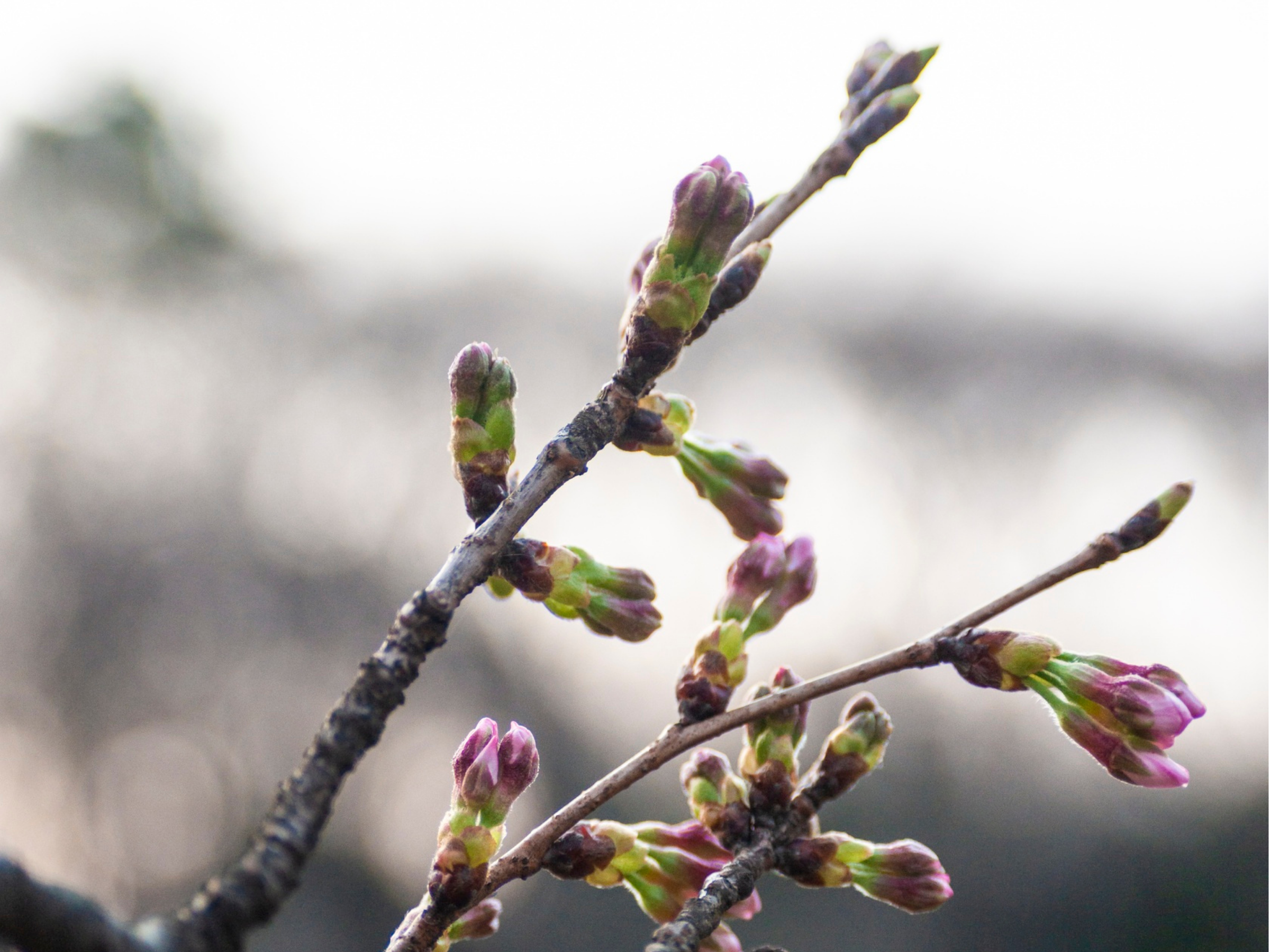
Here in the Midwest, this time of year can make Spring still feel just out of reach. Even as we “spring forward” into Daylight Saving Time, enjoy those 7:00 p.m. sunsets, and maybe even rotate our warmest winter coat to the back of the closet, we can still find ourselves longing for real warmth, fresh [...]

Attending college is a time of self-discovery, growth, and new experiences. But for many, the transition comes with emotional and psychological challenges - ones that can quietly build beneath the surface. One of the most common and misunderstood among them is depression. In a 2021–2022 survey of over 130 U.S. college campuses, 44% of students [...]